Get Basement Soundproofing
Basement soundproofing services help property owners reduce noise transfer and improve privacy through insulation, sealing, and other solutions provided by local contractors.
Basement soundproofing services are a practical solution for property owners looking to enhance the comfort and functionality of their spaces. Whether aiming to reduce noise transfer between rooms or create a more peaceful environment, many local property owners find that professional soundproofing can make a significant difference. Exploring options with experienced local contractors can help ensure that the project meets specific needs and aligns with existing structures, making it easier to plan and compare different approaches.
For those considering basement soundproofing, understanding the available services and solutions offered by local service providers is an important step in the planning process. By researching and connecting with local contractors, property owners can gather valuable information to make informed decisions about the best methods and materials for their projects. Continuing to explore local options can help identify the most suitable professionals for achieving effective and lasting results.
- Basement Soundproofing - when homeowners want to reduce noise transfer between floors or rooms.
- Home Theater Installation - for those seeking to minimize sound leakage in dedicated entertainment spaces.
- Music Practice Room Soundproofing - when musicians need to contain sound within a basement to prevent disturbance.
- Rental Property Soundproofing - for landlords aiming to improve tenant comfort and privacy in basement units.
- Home Renovation Projects - during basement upgrades to enhance acoustic privacy and overall comfort.
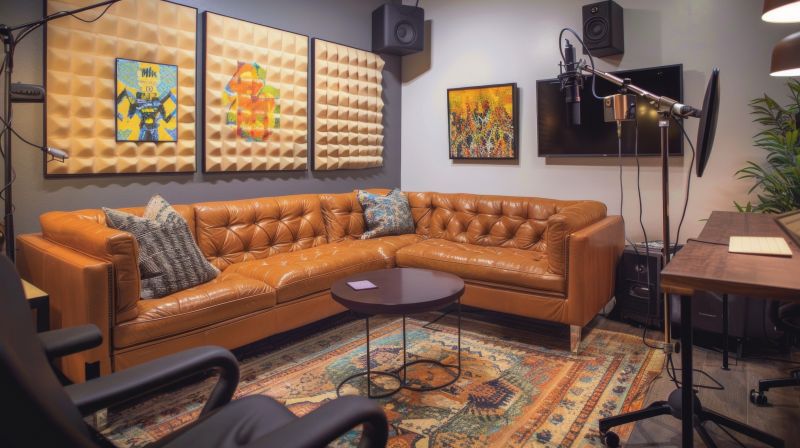
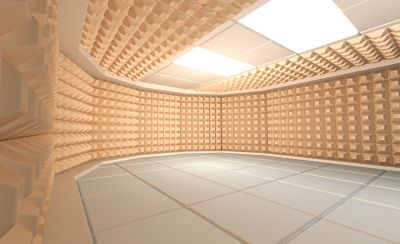
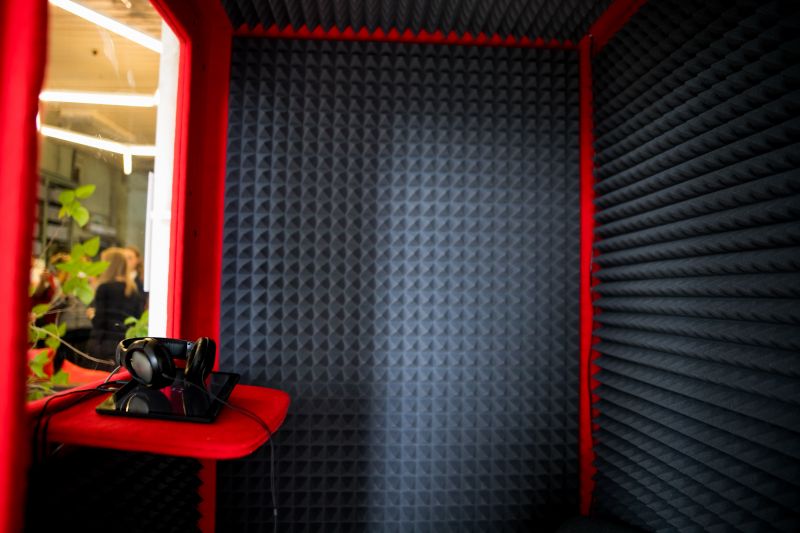
Basement soundproofing services involve installing materials and systems designed to reduce noise transmission between the basement and the upper levels of a home or neighboring units. This process typically includes adding specialized insulation, acoustic panels, and sealing gaps or cracks that allow sound to travel. The goal is to create a quieter environment by minimizing the impact of activities such as music, television, or household chores that can generate disruptive noise levels. These services are tailored to improve comfort and privacy within the home, especially in multi-story residences or homes with shared walls.
Many common problems lead homeowners to seek basement soundproofing. Excessive noise from a basement entertainment area, home gym, or workshop can disturb other parts of the house or nearby neighbors. Conversely, noise from upper floors or neighboring units can be heard downstairs, impacting relaxation and sleep. In some cases, structural issues like hollow walls or poorly sealed openings exacerbate sound issues, making soundproofing a practical solution. Service providers can help address these concerns by implementing effective soundproofing strategies that target specific problem areas.
Basement soundproofing services are often used in a variety of property types, including single-family homes, duplexes, and multi-unit buildings. Homeowners with finished basements that serve as entertainment rooms, home offices, or guest suites frequently seek these services to enhance privacy and reduce noise disturbances. Commercial properties such as rental units or shared living spaces may also benefit from professional soundproofing to meet tenant expectations and improve overall comfort. Local contractors experienced in soundproofing can assess each property’s unique needs and recommend appropriate solutions to achieve a quieter, more peaceful environment.
Choosing the right basement soundproofing service involves working with experienced local contractors who understand the specific challenges of different property types. These professionals can evaluate existing structures, identify noise transfer points, and recommend effective materials and installation methods. Whether dealing with airborne noise from entertainment systems or impact noise from foot traffic, local service providers can develop customized plans to improve sound insulation. Contacting qualified contractors can help homeowners and property managers find practical, reliable solutions to create a more comfortable and private basement space.
The overview below groups typical Basement Soundproofing projects into broad ranges so you can see how smaller, mid-sized, and larger jobs often compare in your area.
In many markets, a large share of routine jobs stays in the lower and middle ranges, while only a smaller percentage of projects moves into the highest bands when the work is more complex or site conditions are harder than average.
Smaller Repairs - For routine soundproofing fixes like adding insulation or sealing gaps, local contractors typically charge between $250 and $600. Many projects fall within this range, especially for straightforward jobs in smaller areas.
Moderate Projects - Mid-sized basement soundproofing, such as installing new panels or drywall, usually costs between $1,000 and $3,000. These are common for standard basement upgrades and tend to be the most frequent project size.
Large Installations - Larger, more complex soundproofing projects, including extensive wall or ceiling work, can range from $3,500 to $7,000. Fewer projects reach this level, often involving multiple rooms or detailed construction.
Full Basement Soundproofing - Complete basement soundproofing, including all walls, ceilings, and insulation, can exceed $10,000. Such comprehensive work is less common and typically reserved for major renovations or commercial spaces.
Actual totals will depend on details like access to the work area, the scope of the project, and the materials selected, so use these as general starting points rather than exact figures.
Wall Insulation Installation - local contractors use similar techniques and tools to add insulation that reduces sound transmission between rooms or floors.
Acoustic Panel Installation - specialists in soundproofing often install acoustic panels to improve room acoustics and minimize noise transfer.
Floor Underlayment Services - local service providers can install underlayment materials that dampen sound between floors and below ceilings.
Ceiling Soundproofing - experts in soundproofing ceilings use comparable planning and materials to block noise from upper levels or external sources.
Wall Damping and Decoupling - contractors apply similar skills to decouple walls and reduce vibrations that carry sound through structures.
Basement Finishing with Soundproofing - local pros can incorporate soundproofing techniques into basement finishing projects to enhance privacy and reduce noise transfer.
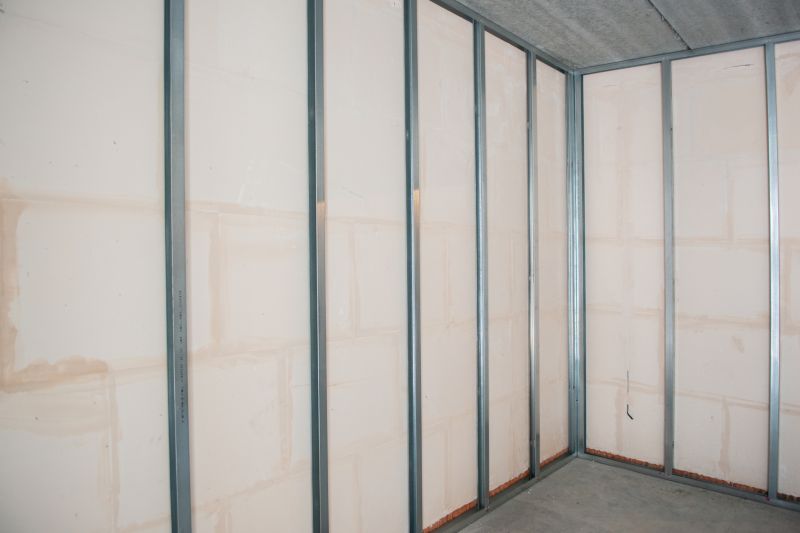
When evaluating potential service providers for basement soundproofing, it’s important to consider their experience with similar projects. Homeowners should look for local contractors who have a proven track record of handling basement soundproofing tasks, as this indicates familiarity with common challenges and effective solutions. Asking about past projects or seeking references can provide insight into their ability to deliver results that meet expectations. An experienced professional will understand the nuances of basement environments and be better equipped to recommend appropriate materials and techniques.
Clear, written expectations are essential to ensure that both the homeowner and the contractor are aligned on the scope of work. Service providers should be willing to provide detailed descriptions of their proposed methods, materials, and the specific outcomes they aim to achieve. Having this information in writing helps prevent misunderstandings and sets a foundation for accountability. Homeowners should seek out contractors who are transparent about their processes and willing to clarify any questions, fostering a smoother project experience.
Effective communication and reputable references are key indicators of a trustworthy service provider. Homeowners should prioritize local contractors who are responsive and open to discussing project details, timelines, and any concerns that may arise. Additionally, requesting references from previous clients can help verify the contractor’s reliability and quality of work. These steps help ensure that the chosen professional is dependable and capable of delivering a basement soundproofing solution that aligns with the homeowner’s needs and expectations.
Property owners use Basement Soundproofing services for practical projects around their homes and businesses. This guide focuses on everyday jobs and straightforward project options.
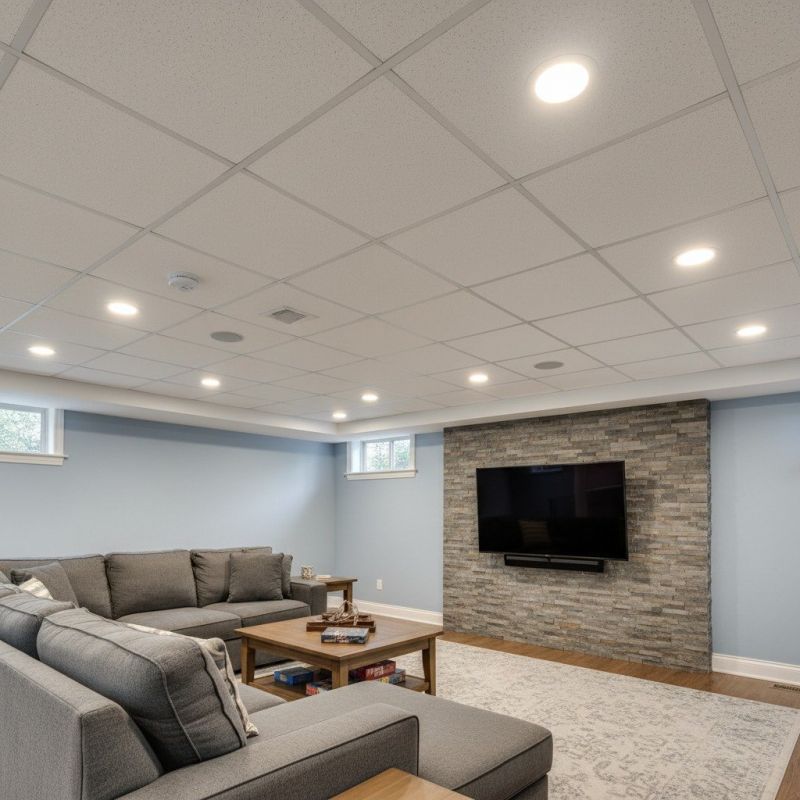
Basement soundproofing services are often sought by property owners dealing with noise concerns from neighboring units, street sounds, or household activities. Whether someone is renovating a basement for a home theater, creating a quiet workspace, or simply reducing everyday disturbances, local contractors can provide solutions to improve sound insulation. These projects are common in areas with shared walls or close proximity to busy streets, making soundproofing a practical choice for enhancing comfort and privacy.
Many property owners look for basement soundproofing when they notice noise transferring between floors or from outside sources. This can be especially relevant for those living in multi-family buildings, duplexes, or homes with open-concept layouts. Local service providers can help install soundproofing materials or upgrade existing structures to better contain sound, contributing to a more peaceful living environment. Contacting experienced contractors ensures that the work addresses specific noise issues effectively.
What is basement soundproofing? Basement soundproofing involves installing materials and systems to reduce noise transmission between the basement and other parts of the home, creating a quieter space.
How can local contractors improve basement soundproofing? They typically use techniques such as adding insulation, installing soundproof drywall, and sealing gaps to minimize sound transfer and enhance acoustic privacy.
Are there different soundproofing options for basements? Yes, options range from basic insulation and drywall to more advanced solutions like resilient channels and soundproof barriers, depending on the level of noise reduction desired.
What are common challenges in basement soundproofing projects? Challenges may include dealing with existing structural elements, moisture issues, and limited space, which local service providers can help address effectively.
How do local contractors assess basement soundproofing needs? They evaluate the basement’s structure, existing materials, and noise sources to recommend suitable soundproofing solutions tailored to the space.
Reduce noise transfer between rooms - property owners can improve privacy by working with local contractors to install soundproofing in shared walls and ceilings.
Enhance home theater experiences - homeowners can create a more immersive environment by adding soundproofing to basements or media rooms with the help of local service providers.
Minimize disturbance from household activities - residents can prevent noise from appliances or hobbies from reaching adjacent spaces through professional soundproofing solutions.
Improve comfort in multi-unit buildings - building managers or tenants can reduce noise complaints by enlisting local contractors to soundproof common walls and floors.
If you are thinking about Basement Soundproofing for a property, this guide is meant to help you understand the work, the typical project types, and how different options might fit your plans.
When you are ready, you can use the quote form on this page to share a few details about your project. From there, local pros can review the basics and respond with options that match what you have in mind.